%2Ffit-in%2F250x250%2Fguide_websites%2F19496%2Fimages%2F1730324669346324723509_708932567474161_7979979225427254692_n.jpg&w=1920&q=100)
/users/b3afc60f-c7a5-4ab0-a685-6c54d048390a/ratecard/453742203_475857868737205_7733005246557428813_n.jpg)
%2F300x300%2Fusers%2Fb3afc60f-c7a5-4ab0-a685-6c54d048390a%2Fratecard%2F453742203_475857868737205_7733005246557428813_n.jpg&w=256&q=75)
%2F300x300%2Fusers%2Fb3afc60f-c7a5-4ab0-a685-6c54d048390a%2Fimages%2Fchinook-salmon-fishing-ny-2767.jpg&w=256&q=75)
%2F300x300%2Fusers%2Fb3afc60f-c7a5-4ab0-a685-6c54d048390a%2Fimages%2Fangling-adventure-mexico-2717.jpg&w=256&q=75)
%2F300x300%2Fusers%2Fb3afc60f-c7a5-4ab0-a685-6c54d048390a%2Fimages%2Fsuccessful-fishing-trip-ny-2880.jpg&w=256&q=75)
%2F300x300%2Fusers%2Fb3afc60f-c7a5-4ab0-a685-6c54d048390a%2Fimages%2Fsuccessful-fishing-trip-new-york-2554.jpg&w=256&q=75)
%2F300x300%2Fusers%2Fb3afc60f-c7a5-4ab0-a685-6c54d048390a%2Fimages%2Fangler-sea-trout-mexico-2464.jpg&w=256&q=75)
%2F300x300%2Fusers%2Fb3afc60f-c7a5-4ab0-a685-6c54d048390a%2Fimages%2Fchinook-salmon-ny-fishing-2584.jpg&w=256&q=75)
%2F300x300%2Fusers%2Fb3afc60f-c7a5-4ab0-a685-6c54d048390a%2Fimages%2Ffishing-mexico-best-day-2565.jpg&w=256&q=75)
%2F300x300%2Fusers%2Fb3afc60f-c7a5-4ab0-a685-6c54d048390a%2Fimages%2Ffishing-mexico-bluefish-trout-2563.jpg&w=256&q=75)
%2F300x300%2Fusers%2Fb3afc60f-c7a5-4ab0-a685-6c54d048390a%2Fimages%2Fbest-fishing-trio-mexico-catch-2667.jpg&w=256&q=75)
Lake Ontario 6-Hour Fishing Trip | J & J Charters

 Lake Ontario
What you will be catching:
 Brown Trout
 Chinook Salmon
 Lake Trout
 Pink Salmon
- 6-hour Lake Ontario charter departing 5 AM, accommodates 4 guests
- Expert trolling techniques target Chinook Salmon, Brown Trout, Lake Trout
- All-inclusive $700 package with experienced local fishing guides
Trip Pricing and Availabilities:
Lake Ontario's Hottest Half-Day Salmon Trip
Ready for an early morning adventure that'll have you reeling in trophy salmon and trout? J & J Sportfishing Charters has you covered with their top-rated half-day trip on Lake Ontario. This 6-hour fishing frenzy kicks off at the crack of dawn, giving you prime time on the water when the big ones are biting. Whether you're a seasoned angler or just getting your feet wet, our expert guides know exactly where to find the action. So grab your buddies (up to 4 total) and get ready for some world-class fishing right in your backyard!
What to Expect on the Water
Rise and shine, anglers! We'll meet you at the dock at 5:00 AM sharp, coffee in hand and rods at the ready. Our seasoned captains waste no time getting you to the sweet spots where Chinook Salmon, Brown Trout, and Lake Trout are known to prowl. You'll be trolling like a pro in no time, with our crew showing you the ropes on how to set up your lines and recognize those telltale bites. And don't worry if you're new to this - we've got beginners landing lunkers in no time. The lake can be a bit choppy in the morning, so bring a light jacket and maybe some motion sickness meds if you're prone to it. But trust us, once that first fish hits, you'll forget all about any queasiness!
Trolling Tactics 101
On this trip, we're all about trolling - the tried-and-true technique for targeting big lake fish. We'll set up a spread of lines behind the boat, each rigged with lures that mimic the local baitfish. As we cruise at just the right speed, these lures dance through the water, irresistible to hungry salmon and trout. We use downriggers to get your bait down deep where the big boys hang out, and planer boards to spread our lines wide and cover more water. You'll learn to watch for subtle changes in the rod tips that signal a strike, and our guides will be right there to help you reel in your catch when it hits. It's a team effort out here, and there's nothing quite like the rush of the whole boat cheering as someone battles a monster Chinook to the net!
Hunter Highlights
"We had an absolute blast with these guys. We caught a lot of fish and had a lot of laughs!!!" - Brandon
Species You'll Want to Hook
Chinook Salmon: Known as "King Salmon" for good reason, these bruisers are the crown jewel of Lake Ontario fishing. Chinooks in the 20-30 pound range are not uncommon, and they put up a fight that'll have your arms burning. These silver missiles are most active in the early morning hours, which is why we get out at the crack of dawn. When a big King hits your line, hold on tight - they're known for blistering runs that can strip 100 yards of line in seconds!
Brown Trout: Lake Ontario's brown trout are a whole different beast from their river-dwelling cousins. These lake-run browns grow to massive sizes, often topping 10 pounds. They're known for their acrobatic fights, leaping clear out of the water when hooked. Browns tend to hang out in slightly shallower water than salmon, so we'll target them as we work our way out to deeper haunts. The satisfaction of landing a big "brownie" is hard to beat!
Lake Trout: The deepwater specialists of Lake Ontario, lake trout are the marathoners of the fish world. They prefer the cold, deep waters and put up a steady, powerful fight when hooked. Don't let their lack of acrobatics fool you - these fish will test your stamina as you work them up from the depths. Lake trout are prized for their rich, flaky meat, making them a favorite for the dinner table. We typically find them holding near underwater structure or along deep drop-offs.
Pink Salmon: Also known as "humpies" due to the distinctive hump males develop during spawning season, pink salmon are the smallest of Pacific salmon species found in Lake Ontario. What they lack in size, they make up for in numbers and fighting spirit. Pinks typically run 2-5 pounds and are known for their acrobatic leaps and quick runs. They're a blast on light tackle and often travel in schools, so when you find them, get ready for fast action!
Time to Book Your Spot
Look, we could go on all day about the monster fish and epic battles waiting for you out on Lake Ontario. But at $700 for up to 4 anglers, this half-day trip is a steal that won't last long. Our calendar fills up fast, especially during peak salmon season. So if you're itching to feel that rod bend and reel scream, don't wait. Give J & J Sportfishing Charters a call and lock in your spot. Whether you're looking to fill the freezer, chase that personal best, or just enjoy a morning on the water with good company, we've got you covered. Trust us, there's no better way to spend a morning than chasing Lake Ontario's finest. Book now and get ready for some tight lines!
Customer Review
Fish Fun Frenzy

Brandon Krolczyk
April 3, 2025
Learn more about the animals
Brown Trout
Brown Trout (Salmo Trutta) Description
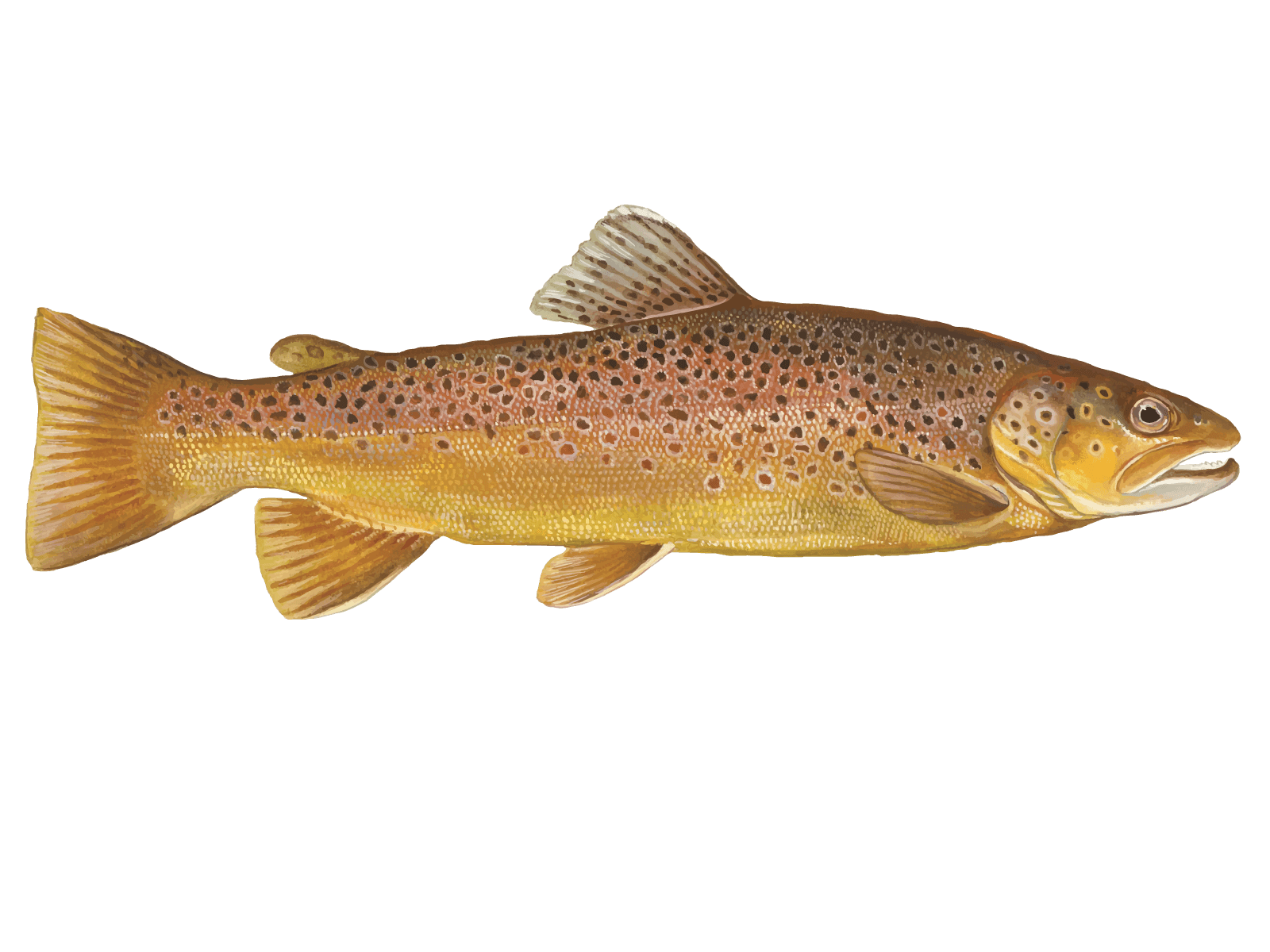
Brown Trout are medium-sized premier cold-water game and sport fish. It has been introduced in suitable environments globally and is considered the backbone of many fisheries. These fish have brown or golden-brown backs and a yellowish or white belly. The back and sides are covered with black spots. Head and tail are sometimes spotted. There is a small reddish or orange adipose fin near the tail. Brown trout can be distinguished from similar salmon by their vomerine teeth.
Brown trout resembles Brook trout, Chinook salmon, Coho salmon, and Rainbow trout.
Brown Trout Size and Weight
The average size for this fish is 8-24 inches but can grow up to 39 inches depending on the habitat. They can weigh from 1 – 9.5 pounds.
When were Brown Trout Introduced in the United States?
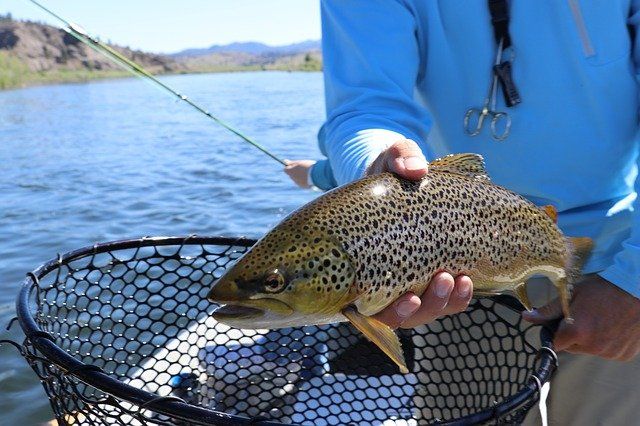
Brown trout, a native of Europe and Asia, was first introduced to the United States in 1883. The species was brought to Michigan by Fred Mather, a fish enthusiast who believed brown trout would be an excellent addition to American waters. The introduction of brown trout was met with great excitement by anglers across the country, as this species is known for its fighting ability and delicious taste.
Since its introduction over a century ago, brown trout has become one of the most popular game fish in the United States. Today, it can be found in almost every state and is especially abundant in western rivers and streams. One of the reasons for its success is its adaptability - brown trout can thrive in cold and warm water environments.
To keep up with the demand from anglers, many states have implemented stocking programs to increase brown trout populations.
Interesting Facts
The Brown Trout live for 12 years but can have an extended life span of up to 18 or 20 years.
Brown trout can be found on almost every continent except Antarctica and many can be found living in the ocean.
They are stocked in 45 states as it's a popular game fish. They are self-sustaining in 34 states.
The Brown Trout is a Guidesly employee favorite to catch on a run!
Where do Brown Trout Live in the United States?
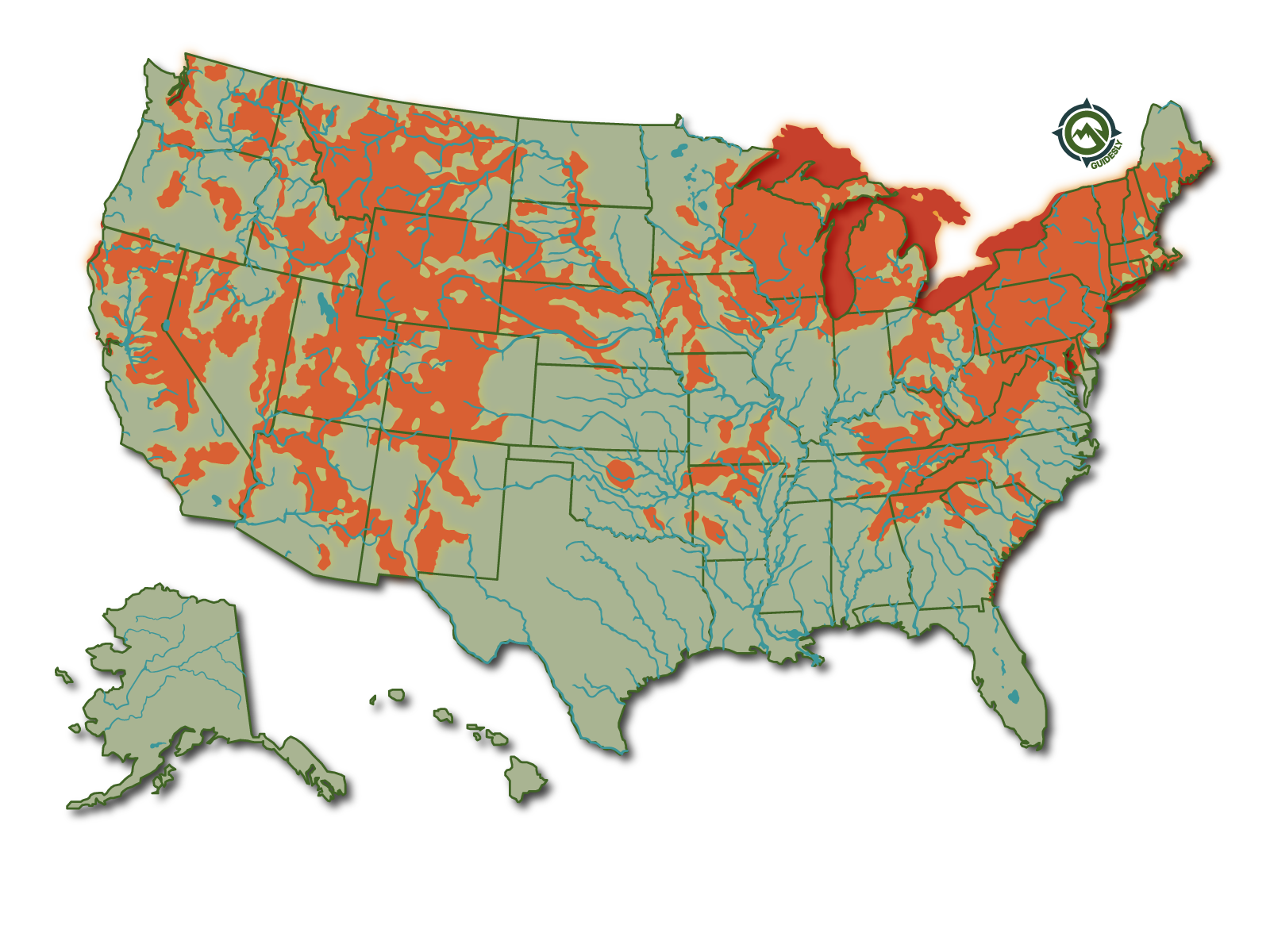
Brown Trout prefers to live in covers and cool, clear, and calm waters. A temperature of 54°F to 65°F is ideal for these fishes but can survive up to 75°F. Sea trout travel to brackish or ocean waters and return to freshwater for spawning. Found in small streams, large rivers, and any trout stream with the right water temperature, aquatic insects, and clean water. This species is usually restricted to freshwater, though a few migrate to the sea between spawnings.
Widely distributed, the Brown Trout can be found throughout 45 states and Canada.
Spawning
The spawning season for these fish starts in fall and early winter. River trout look for a head riffle or a freshwater stream to spawn. The site is dug by the females, where the eggs are laid and covered with gravel. Hatching occurs in spring.
Diet
Brown trout consume aquatic insects, salamanders, frogs, worms, crustacean mollusks, and other fish. In the sea, they eat alewives and other small fish.
Are Brown Trout Good to Eat?
Many people enjoy catching brown trout for sport, others wonder if it's good to eat. The answer is yes, brown trout can be a delicious and healthy addition to your diet.
The taste of brown trout depends on various factors, such as the quality of the water they inhabit, their diet, and how they are cooked. Generally speaking, brown trout has a mild flavor that is slightly sweet with a firm texture. It's often compared to rainbow trout or salmon but with a milder taste.
To cook brown trout, you can grill it with some lemon juice and herbs for added flavor. Pan-frying or baking are also great options that allow the natural flavors of the fish to shine through. Just make sure not to overcook it, as this can result in dry and tough meat.
Fishing Techniques - How to Catch Brown Trout
During the fall season, Brown Trout feed aggressively at night. They can be found in deep pools, overgrown vegetation, or hiding near rocks. Many anglers recommend fishing for them near piers, while others only consider fly fishing in streams. For fly fishing, dry fly or crawfish imitation can be used. A fly rod of 9 ft. length and 5 weight will wield for excellent results. They can use a line of 4-6 weight.
On the Great Lakes, trolling is an ideal option, or small spinners or baits can be used under a floater. Popular baits and lures used are streamers, woolly bugger, pheasant tail nymph, crayfish, and green caddis.
Chinook Salmon
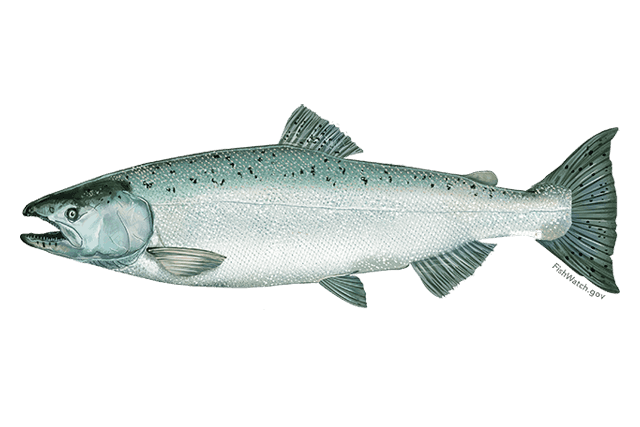
# Chinook Salmon (Oncorhynchus tshawytscha) Chinook salmon is also known as King Salmon and is the largest of the Salmon species. It is a popular game and commercial fish. Oncorhynchus tshawytscha is similar to its brethren Coho salmon and Rainbow trout. King Salmon has silver sides and blue-green back. It has black spots on the head, back, tail, and all the fins. It also has a black mouth and gums. Wild salmon are well known for their hard fighting ability and excellent table fare. ## Chinook Salmon Size and Weight Chinook salmon is a large fish and it can grow from 12 to 39 inches and weighs around 7 to 15 pounds. But depending on the habitat, weight can exceed 20 - 30 pounds. ## Chinook Salmon Interesting Facts • They can live up to 7 years. • This specie is anadromous. They migrate to Seawater and later return to spawn in freshwater. • Oncorhynchus tshawytscha die soon after spawning. • King salmon have reddish-pink or orange meat. • Males are more colored than females and have a distinguished nose and upper jaw. • Chinook salmon leaves a water body if the habitat starts degrading, making it a good indicator of the water conditions. ## Chinook Salmon Habitat Young Chinook salmon can be found in freshwater and estuaries. Adults move into the open Ocean for better nutrition and food. The fish can also be found in cold streams, especially in hiding places such as tree roots. Snow melting into lakes and streams also helps their environment. ## Chinook Salmon Spawning Chinook salmon are ready to spawn from 2 to 7 years of age. Female makes redds or gravely nests and lays the eggs. Depending on spawning time and temperature, hatching takes place in early spring or late winter. ## Chinook Salmon Food Young Chinook salmons feed on plankton, insects, small fish, and invertebrates. Adult Salmon in Ocean also enjoy many organisms such as sand lance, pilchards, squids, herrings, and crustaceans. ## Chinook Salmon Fishing Chinook salmon is sensitive to light so they stay at water bottom mostly. So, anglers should use weighted baits. The best time for fishing them is early morning or in the evening. Ship Creek in Anchorage, Alaska, and Lake Oahe in South Dakota are among the top spots to fish them. • Fly fishing King salmon is very exciting, but keep in mind to not swing too far and keep the fly swimming in water. • When Salmon fishing in lakes, down-rigging and trolling works best. • Anglers can also still fish in deep water using a herring. • Trolling is also an effective method using plugs, spoons, live or dead bait. ## Chinook Salmon Baits and Lures Fly Fishing: when selecting flies for king salmon, most of the time exact fly pattern is not overly important. However, depending on a bunch of variables (light, water levels, location, etc.) fly color can make a big difference. Some examples include rhea tube intruders, bunny leeches, marabou tubes, shanked intruders, minnows. On a bright day lean towards bright color combos like chartreuse/blue or pink/orange, and for cloudy/dark days blue/black and purple/black color combos. Other Fishing: Use of plugs, spoons, trolling flies, live or dead bait, sand shrimps ## Chinook Salmon Distribution Chinook can be found in the colder water of the Pacific Ocean from the coast of Alaska, Western Canada, Oregon, Idaho, Washington State, and Northern California. It has been introduced in Great Lakes of United States and can also be found in Japan and Russia.
Lake Trout
## Lake Trout (Salvelinus Namaycush) The lake trout is the largest member of the char family. Lake trout have a grey to green coloring with a lighter belly, the fish also have yellow to cream colored markings on its body and fins as well. Lake trout are known to be slow growing, and mature late in their lives and have low reproductive potential when compared to other species of game fish. ## Lake Trout Habitat Lake trout are a cold-water species, like a cold water species, they rely on high levels of oxygenation to survive. Lake trout are a very popular game fish and are the only major native game fish to inhabit deep and cold water of oligotrophic lakes, like those of northern Canada and the Great Lakes region. Most of the time the Salvelinus Namaycush can be found in these deep and cold water lakes suspended in the middle of the basin, sometimes at deep depths. 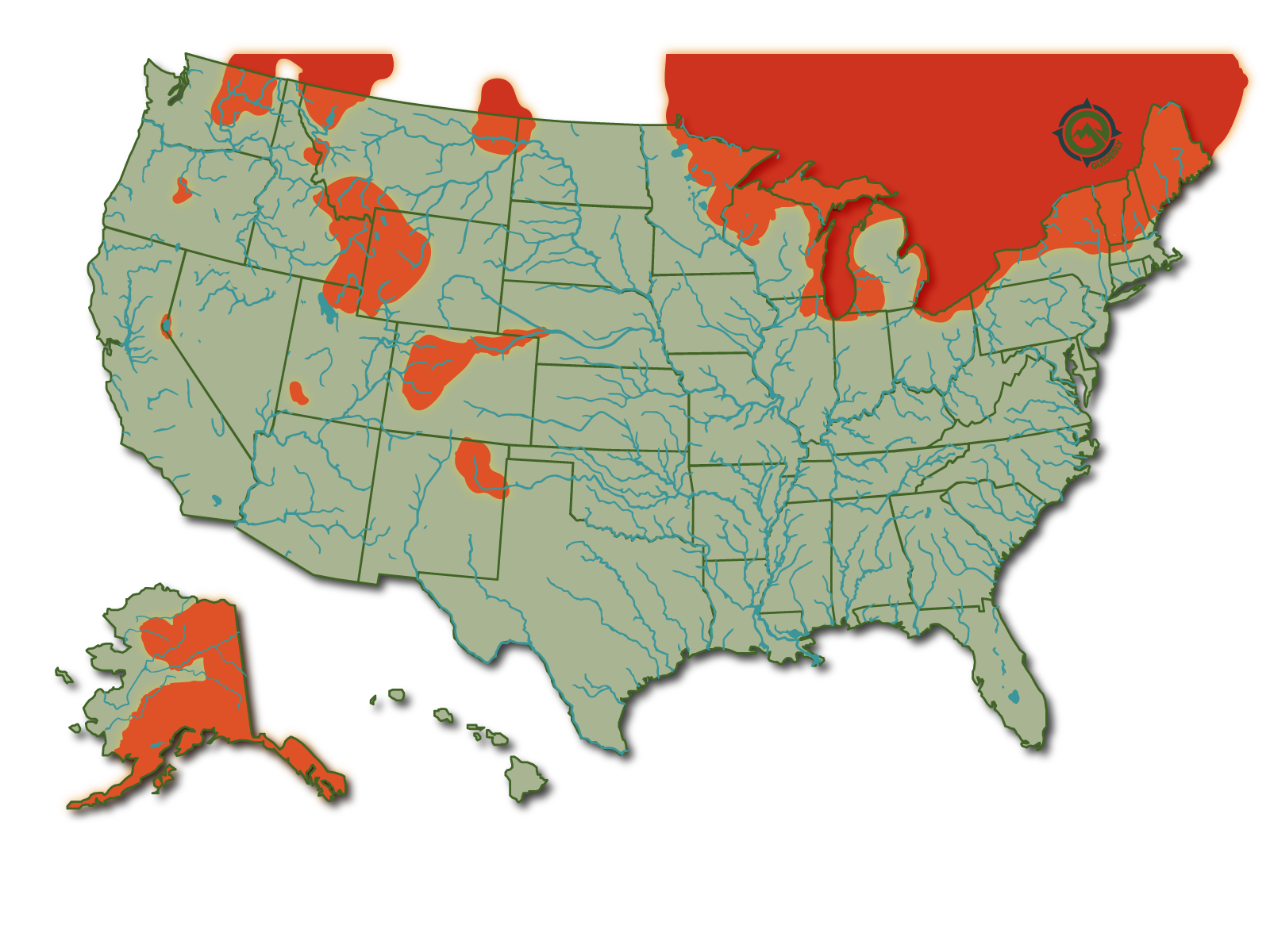 Lake trout have a relatively narrow distribution and range when compared to other species. Lake trout are found in the northern reaches of North America including the Great Lakes region and throughout Canada and parts of Alaska and to a lesser extent the Northeastern United States. Lake trout have also been artificially stocked in Europe like the Scandanavian country of Sweden. New Zealand, South America, and even parts of Asia have stocked populations of lake trout as well. ## Lake Trout Size Lake Trout are the largest of the char species, with sizes of 15-40 pounds not uncommon, and averages lengths of 24-36 inches. The world record Lake trout were caught on rod and reel Great Bear Lake in the Northwest Territories of Canada and was 72 pounds and had a length of 52 inches. ## Lake Trout Facts Lake Trout are known to hybridize with Brook Trout, creating a hybrid species known as “Splake” hybrid fish such as splake are usually sterile. And Fisheries around North America raise and stock splake in bodies of water to provide more sport fishing opportunities for fishermen. Due to being a cold water species Lake Trout in the southern reaches of their distribution and range tend to live in very deep water during the summer months, where the water temperatures are more suited to their needs. ## Lake Trout Fishing The best time to fish for Lake Trout really depends on factors like weather, These fish prefer to avoid bright light, so a good time to fish them are typically in overcast or low light conditions. Not only do lake trout prefer these conditions they also generally feed more frequently during these times. Most importantly is finding bodies of water with which lake trout inhabit, as they have such particular habitats and not all lakes can support them. Seeking out the deep water areas of these lakes are a great place to start. In the spring immediately after ice out can be a great time for fishermen to pursue lake trout, with the colder water temperature the fish can be found relatively shallow. ## Lake Trout Fishing Lures Jigging is the preferred method when targeting this species due to fishing in deep water. Lures like the Rapala Jigging Rap and lure that imitate wounded baitfish work great. Other great options are lures like jig heads with soft plastic paddle tail swimbaits used in a jigging fashion, skirted jigs and bladed jigging spoons are also great options. Crankbaits are great if the Fish are higher in the water column or if you're trolling, allowing the crankbaits to reach their maximum depth. Don't count out old fashioned spoons either, they can be a great tool to catch lake trout. ## The Trout Family Trout are members of the family Salmonidae, order Salmoniformes. The native trout family is closely related to salmon. A top fly fishing family of fish that are both tremendous game fish and tasty eating fish. Found in small streams, large rivers, and any trout stream with the right water temperature, aquatic insects, and clean water. The trout species is usually restricted to freshwater, though a few types migrate to the sea between spawnings. Members of the trout species include [Rainbow Trout](https://guidesly.com/fishing/fish-species/rainbow-trout), [Brown Trout](https://guidesly.com/fishing/fish-species/brown-trout), [Brook Trout](https://guidesly.com/fishing/fish-species/brook-trout), [Lake Trout](https://guidesly.com/fishing/fish-species/lake-trout), [Steelhead Trout](https://guidesly.com/fishing/fish-species/steelhead), [Bull Trout](https://guidesly.com/fishing/fish-species/bull-trout), [Cutthroat Trout](https://guidesly.com/fishing/fish-species/cutthroat-trout), [Apache Trout](https://guidesly.com/fishing/fish-species/apache-trout) and several other smaller species.
Pink Salmon
Pink Salmon (Oncorhynchus Gorbuscha) Fish Description
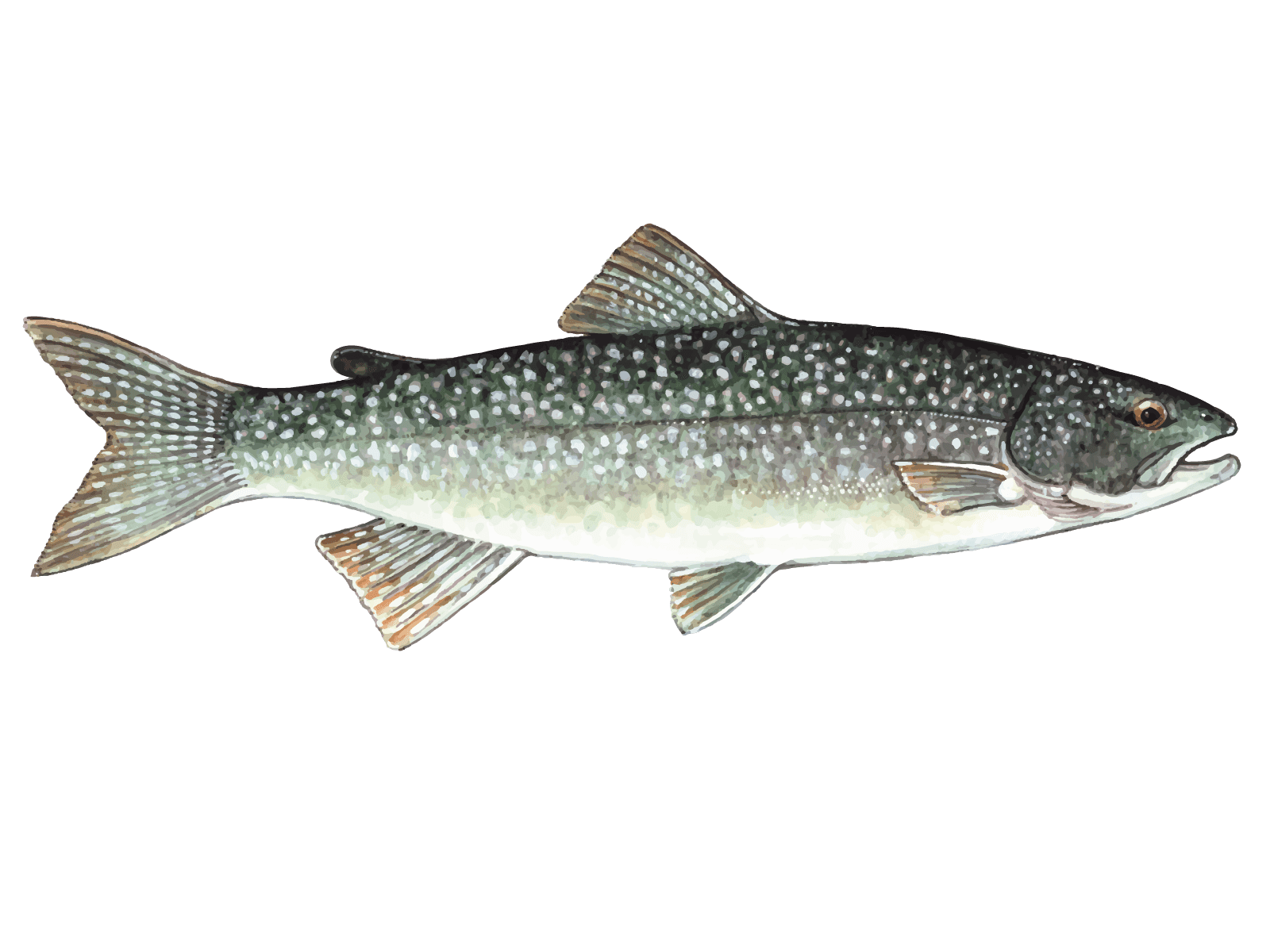
Also known as the Humpback Salmon, the Pink Salmon is the smallest and the most abundant among the Pacific Salmon. The Pink Salmon appear as bright silver in the oceans but in streams, they gain back their light yellowish-white underbelly. Some others have a dull green color. Though, it highly depends on where they are.
Pink Salmon are most noted for their slight hump on their back, hence their name. They also don’t have teeth on their tongues. But Pink Salmon have large black oval spots on their back and their tail fins. They also have deep forked-tail and an anal fin that has 13-17 soft rays.
Pink Salmon Diet and Size
Pink Salmon often eat plankton. However, they also eat smaller fish, squid, and occasionally – Aquatic Insects. Pink Salmon average between 4.8 lbs (2.2 kg) in weight. However, someone managed to record a pink salmon being 30 inches and weighing around 15 lbs (6.8kg).
Interesting Facts about the Pink Salmon
- Pink Salmon often have a short life cycle of around 2 years.
- Pink Salmon love cold water.
- The crustaceans that Pink Salmon eat are what make the salmon’s fillet pink.
- A lot of people love eating pink salmon. Some even say that pink salmon are known for their omega-3 content. However, pink salmon may not be good for those who have high uric acid as it can cause gout.
- Pink Salmon is eaten in different ways. It can be smoked, baked, fried, and grilled. Some cuisines like employing the poêle method, allowing it to cook in its own juices. This helps achieve a crispy skin but soft texture.
- In Asian countries, Pink Salmon can be eaten raw. Japanese usually serve it as sushi or nigiri where it’s known as Sake.
- Southeast Asian countries often eat their Pink Salmon grilled. Some also eat it as part of a sour soup called Sinigang which is usually a tamarind soup-base with some vegetables such as swamp cabbage, tomatoes, and eggplant. Some people may also use Bilimbi or Kamias as the base of the soup.
- Pink Salmon are commonly enjoyed for their fillet and their belly. Eastern countries also enjoy eating from the head.
- The belly of the Pink Salmon is said where all the Omega-3 oils are.
- Pink Salmon often don’t interbreed. But when they do, their hybrids often come out sterile.
Pink Salmon – Fishing Techniques: How to Fish for a Pink Salmon
For fishing Pink Salmon, you’ll need a medium action rod. As for the reel, it will depend on how you’re catching them. For casting, you’ll need a reel that holds 150 yards. Or at least, 8 to 10 lbs. For a jig, some anglers recommend brightly colored jigs. The most color that anglers use is pink in order to attract the pink salmon. This may be to fool the fish into thinking that the jig is a crustacean. They also use a pink hoochie which looks like a squid.
To make it more attractive, some people smear fish oil onto the jig to attract them. Some use herring oil. Others use squid oil.
Pink Salmon is a good fish to start for beginners. Anglers would often say that the Pink Salmon is one way to start if one wants to mimic the pros.
Pink Salmon Habitat
Pink Salmon loves cold water especially if it’s around 10 degrees Celsius. They’re native to Pacific and Arctic coastal waters and rivers. Pink Salmon sometimes are in creeks and lakes. But they do like their place in rivers. They also stay in sea basins.
About the The Bearded Clam
%2F%2Fusers%2Fb3afc60f-c7a5-4ab0-a685-6c54d048390a%2Fvehicle_picture%2F428702989_376711098651883_4386849477694767709_n.jpg&w=1920&q=75)
Vehicle Guest Capacity: 4
Manufacturer Name: Ford
Maximum Cruising Speed: 20
Number of Engines: 2
Horsepower per Engine: 235
Rise early for an action-packed morning of fishing on Lake Ontario. Our 6-hour charter kicks off at 5 AM, giving you prime time on the water to reel in some impressive catches. With room for up to 4 anglers, this trip is perfect for small groups or families looking to share the excitement. We'll be targeting the lake's prized Chinook Salmon, Brown Trout, and Lake Trout using effective trolling techniques. Our expert guide knows all the hotspots and will put you in the best position to land a trophy fish. Whether you're a seasoned pro or trying fishing for the first time, you'll find this trip rewarding and fun. At $700 for the group, it's a great value for a morning of world-class fishing. Don't miss your chance to experience some of the best angling Lake Ontario has to offer. Book now and get ready for a fantastic day on the water!

We had an absolute blast with these guys. We caught a lot of fish and had a lot of laughs!!!